

This week, I read with some interest that it could take around 25 years to repair the approximately 2,800 miles of road that Wiltshire Council is responsible for maintaining. That sounds like a daunting timescale, but it is actually an improvement on a 2014 article, I remember reading that said it would take 30 years to repair around 2,700 miles of road.
The increase in road length is not surprising, given the amount of development across Wiltshire over the past decade. Actually an extra 100 miles feels like a very conservative estimate of additional road length to me.
What is really damaging the roads?
So what is causing so much damage that repairs will take decades to complete? One issue that I think deserves far more attention, is the uncontrolled growth of weeds along our road and path edges.
You only have to look along many verges to see weeds growing high, often several feet tall. Left unchecked, they can turn small cracks in the road surface into larger failures. Once water gets in, winter freezing and thawing can make the damage worse, accelerating the deterioration of the carriageway.
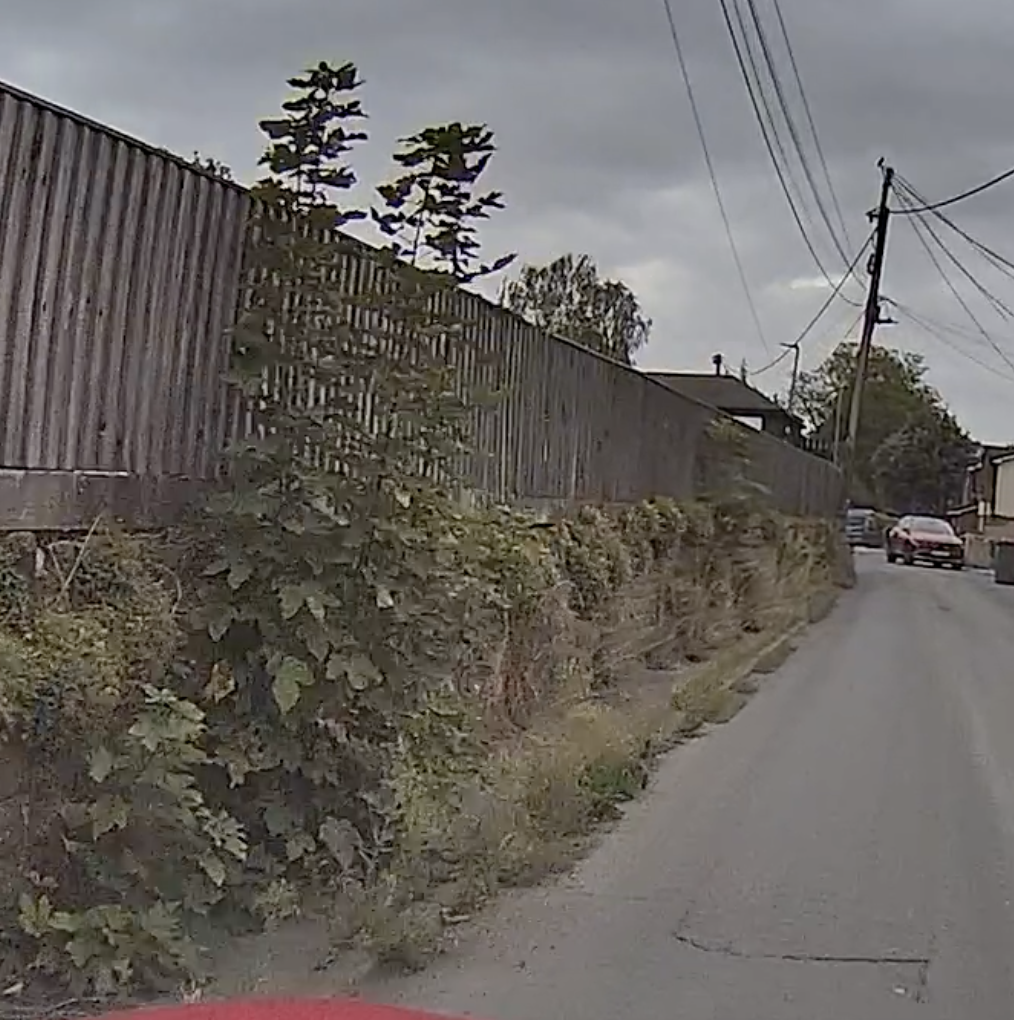
This is not just a minor-road problem
This is not confined to quiet back roads. It is visible on major routes too, including the A4. Next time you are travelling, and it is safe to do so, look at the edge of the road. The stretch from Chippenham to Calne, for example, can feel like an almost continuous line of weeds between the two towns.

No doubt Wiltshire Council officers and councillors would point people towards the MyWilts app to report these problems. But should that really be necessary? Road inspection, weed removal, and preventative maintenance ought to be part of the default approach to looking after the network, rather than something that depends on residents repeatedly flagging the obvious.
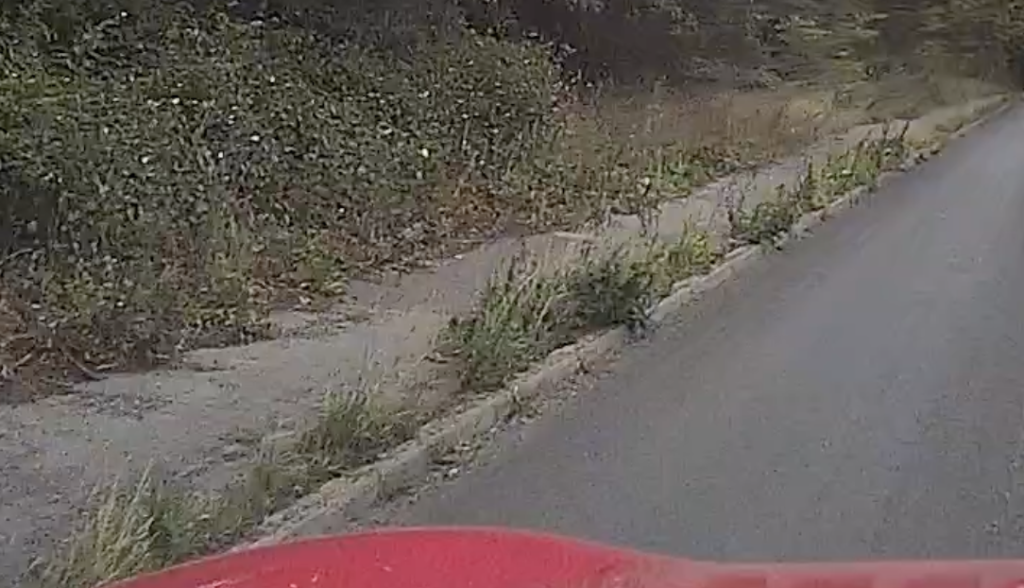
A local example
I have reported weeds growing at the edge of the road opposite my property because they are beginning to encroach on a road drain. The area often floods when it rains, and the weeds appear to contribute to the blockage. In the past, Wiltshire Council’s response was to send a crew of two people to remove the weeds manually. It took several days, and yet a couple of weeks later the weeds were back, taller than before.
Perhaps this helps explain why weeds were not fully removed from the stretch of the A4 near Pewsham, which was recently resurfaced (twice). In places, you can even see surface dressing stuck to weeds at the side of the road.
Short-term savings, long-term damage?
The cynic in me wonders whether this is short-term cost saving, perhaps presented as an environmental or health and safety policy. It seems Wiltshire Council has moved away from using weed killers in order to protect staff and the environment, but if the result is more rapid road deterioration, the long-term financial cost may be far greater.
The wider effect is also cultural. When people see weeds taking over road edges, blocking drains, and creeping into the carriageway, it sends a message that the network is not being properly cared for. That can discourage residents from reporting other road issues because they assume nothing will be done. In that sense, this begins to look like a version of the Broken Windows Theory applied to highways.
So what should happen next? Should Wiltshire Council do more to prevent weeds from damaging our roads, drains, and verges? Or should we accept unchecked growth as the price of creating greener corridors for insects and wildlife? Either way, the issue is unlikely to make any of the roads better.
Disclaimer
Just becuase I know there are idiot trolls out there, who love to try and discredit anything, the images used in this article, were all taken from video automatically captured by my cars handsfree Dash Cam, as I drove. None of them are AI Generated nor was a hand held device used.
None of the images included are meant to depict any liability for weed removal by any organisation. They are just examples of excessive weed growth.